
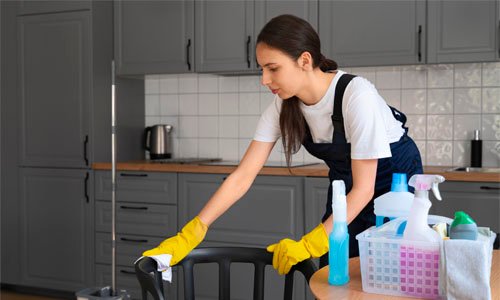


When people think about cleaning their homes, they usually focus on the obvious areas. Visible areas such as floors, kitchen counters, and bathrooms usually receive the most cleaning attention. However, many hidden spots around the house quietly collect dust, dirt, bacteria, and allergens without anyone noticing. Over time, these neglected areas can affect indoor air quality, create unpleasant odors, and even contribute to health problems.
A proper deep cleaning routine goes beyond surface-level tidying. It involves reaching the places that are often overlooked during everyday cleaning sessions. By paying attention to these hidden areas, homeowners can maintain a healthier, fresher, and more comfortable living environment.
This checklist highlights some of the most commonly ignored places in a home and explains why they deserve a place in your cleaning schedule.
Why Hidden Dirt Is a Bigger Problem Than You Think
At first glance, a home may appear spotless. However, appearances can be misleading. Dust particles, food crumbs, moisture, and allergens often settle in areas that are rarely inspected. These hidden accumulations can become breeding grounds for bacteria, mold, and dust mites.
In addition to affecting cleanliness, neglected spaces can trigger allergies, worsen respiratory issues, and reduce the overall comfort of your home. Deep cleaning helps eliminate these hidden contaminants and restores a healthier indoor environment.
Under Large Furniture
One of the easiest places to forget is the area beneath heavy furniture. Beds, sofas, wardrobes, and cabinets often remain in the same position for years, allowing dust and debris to build up underneath.
These spaces can collect:
- Pet hair
- Dust bunnies
- Food particles
- Dead insects
- Everyday household dirt
Moving furniture periodically and cleaning beneath it helps prevent long-term buildup. Even if these areas are not visible, they still contribute to the overall cleanliness of your home.
Mattress Surfaces and Interiors
Most people wash their bed sheets regularly, but very few think about cleaning the mattress itself. Over time, mattresses absorb sweat, body oils, skin cells, and dust particles.
Since people spend several hours sleeping every night, maintaining a clean sleeping surface is important for both hygiene and comfort. Hidden contaminants trapped within mattress layers can lead to odors and increase exposure to allergens.
Professional mattress cleaning abu dhabi services are often recommended for removing deeply embedded dirt that household vacuum cleaners may not effectively reach.
Upholstered Furniture
Couches and upholstered chairs experience constant daily use. Family members sit on them, children play on them, and pets frequently claim them as their favorite resting spots.
Despite appearing clean, upholstery often traps:
- Dust
- Crumbs
- Pet dander
- Allergens
- Sweat and oils
These materials settle deep within the fabric fibers where routine cleaning cannot easily reach them. Regular maintenance helps preserve furniture quality while creating a healthier indoor environment.
Many homeowners choose sofa cleaning abu dhabi services to restore freshness and extend the lifespan of their upholstered furniture.
Carpets and Area Rugs
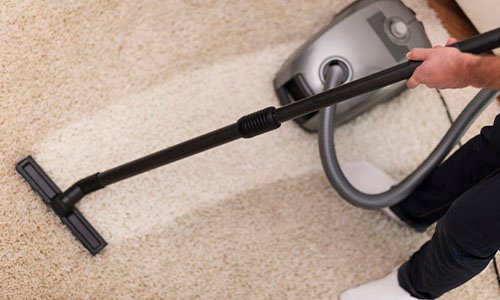
Carpets work like giant filters. They capture dirt from shoes, airborne particles, pet hair, and dust that enters the home every day. While vacuuming removes surface debris, a significant amount of contamination often remains trapped deep within the fibers.
Over time, neglected carpets may contribute to:
- Allergy symptoms
- Lingering odors
- Reduced indoor air quality
- Faster wear and tear
Professional carpet cleaning abu dhabi solutions help remove dirt that standard vacuuming leaves behind, helping carpets maintain their appearance and cleanliness.
Curtains and Window Treatments
Curtains rarely make it onto regular cleaning schedules, yet they constantly collect dust from open windows, air conditioning systems, and daily household activity.
Fabric window coverings can also absorb cooking odors, smoke, and moisture from the surrounding environment. As months pass, these particles accumulate and affect the freshness of indoor spaces.
Scheduling periodic curtain cleaning abu dhabi can help eliminate hidden dust while preserving the quality and appearance of curtain fabrics.
Behind Kitchen Appliances
The kitchen is one of the busiest rooms in any home, but some of its dirtiest areas remain out of sight. The spaces behind refrigerators, ovens, and washing machines often collect grease, crumbs, and dust.
These hidden areas may attract pests if left unattended. Moisture from appliances can also create favorable conditions for mold growth.
Moving appliances occasionally and cleaning the surrounding area can prevent long-term buildup and improve overall kitchen hygiene.
Cabinet Interiors
Kitchen cabinets may look organized on the outside, but their interiors often tell a different story. Small spills, crumbs, and food residue can accumulate on shelves over time.
Regular cabinet cleaning helps:
- Prevent pest infestations
- Eliminate odors
- Maintain food safety
- Improve organization
Taking everything out and wiping shelves thoroughly every few months can make a noticeable difference.
Exhaust Fans and Ventilation Systems
Many homeowners overlook ventilation systems because they are not immediately visible. Kitchen exhaust fans, bathroom vents, and air vents continuously collect dust and airborne particles.
When these systems become clogged, they operate less efficiently and may circulate contaminants throughout the home. Keeping ventilation components clean improves airflow and supports healthier indoor conditions.
For more intensive maintenance, some homeowners invest in kitchen deep cleaning abu dhabi services that address grease buildup and hard-to-reach kitchen areas.
Ceiling Fans and Light Fixtures
Because they are located above eye level, ceiling fans and light fixtures are often forgotten. Dust accumulates steadily on fan blades and fixture surfaces, even in homes that appear clean.
Every time a ceiling fan operates, accumulated dust can spread throughout the room. Regular cleaning helps reduce airborne particles and keeps rooms looking brighter and fresher.
A simple wipe-down every few weeks can prevent excessive buildup.
Air Conditioning Filters
In warm climates, air conditioning systems operate for much of the year. As air circulates through the system, filters trap dust, pollen, and other airborne particles.
Dirty filters force systems to work harder while reducing indoor air quality. Regular filter maintenance improves efficiency and helps create a cleaner home environment.
Checking filters monthly and replacing them according to manufacturer recommendations is a simple but important step.
Door Frames and Switch Plates
These small details are often overlooked during routine cleaning sessions. Door frames collect dust along their upper edges, while light switches and switch plates accumulate fingerprints and bacteria from constant use.
Although these areas may seem insignificant, cleaning them regularly contributes to a more polished and hygienic living space.
Bathroom Corners
Bathrooms are naturally exposed to moisture, making them vulnerable to mold and mildew growth. Certain areas often escape attention, including:
- Behind toilets
- Around pipe fixtures
- Under sinks
- Shower corners
- Grout lines
Ignoring these spaces can lead to stubborn stains and unpleasant odors. Thorough cleaning helps prevent long-term moisture-related problems.
Storage Areas and Wardrobe
Wardrobe and storage spaces are usually closed, making it easy to forget about them. However, dust continues to accumulate even when these areas are not frequently used.
Seasonal cleaning allows homeowners to:
- Remove dust buildup
- Organize belongings
- Identify unused items
- Improve airflow
A clean storage space makes it easier to maintain order throughout the rest of the home.
Creating a Practical Deep Cleaning Schedule
Deep cleaning does not need to happen all at once. Breaking tasks into manageable sections makes the process more realistic and less overwhelming.
Consider dividing responsibilities into weekly, monthly, and quarterly tasks.
Weekly Tasks
- Vacuum floors and rugs
- Dust visible surfaces
- Clean bathrooms
- Wipe high-touch areas
Monthly Tasks
- Clean under furniture
- Wash curtains and removable fabrics
- Sanitize storage areas
- Inspect ventilation systems
Quarterly Tasks
- Deep clean carpets and upholstery
- Clean behind appliances
- Refresh mattresses
- Organize closets and storage rooms
Following a structured schedule ensures that hidden areas receive attention before dirt becomes difficult to remove.
Conclusion
A truly clean home is about more than what you can see. Many of the dirtiest areas are hidden behind furniture, inside fabrics, beneath appliances, and within storage spaces. These overlooked spots often collect dust, allergens, moisture, and bacteria that can affect both comfort and health.
By incorporating deep cleaning into your regular home maintenance routine, you can create a healthier living environment and extend the life of household furnishings. Paying attention to forgotten spaces may require extra effort, but the results are well worth it. A cleaner home not only looks better but also feels fresher, healthier, and more welcoming for everyone who lives there.
Frequently Asked Questions (FAQs)
1. How often should a home be deep-cleaned?
A complete deep cleaning is generally recommended every three to six months. However, homes with children, pets, or allergy sufferers may benefit from more frequent deep cleaning sessions.
2. Which areas of the home are most commonly overlooked during cleaning?
Some of the most frequently missed areas include spaces under furniture, behind appliances, air vents, mattresses, curtains, ceiling fans, and storage cabinets. These spots can accumulate dust and dirt over time if not cleaned regularly.
3. Why is deep cleaning important for indoor air quality?
Deep cleaning helps remove dust, allergens, pet dander, and other pollutants that may circulate throughout the home. This can contribute to fresher indoor air and a healthier living environment.
4. Can regular cleaning replace deep cleaning?
No. Regular cleaning helps maintain cleanliness on visible surfaces, while deep cleaning targets hidden dirt, stubborn grime, and hard-to-reach areas that are often missed during routine household cleaning.
5. What are the benefits of professional deep cleaning services?
Professional deep cleaning can provide a more thorough level of cleanliness by addressing hidden dust, stains, allergens, and buildup in areas that require specialized equipment and expertise. This helps improve hygiene, comfort, and the overall appearance of the home.